In short, most cases of autumn cold sensitivity can be eased through acupuncture that addresses circulation and the autonomic nervous system directly.
At Yurumari Acupuncture Clinic in Nagoya Fushimi, we see a lot of clients this time of year who tell us their “fingers and toes stay ice cold” or that their “face feels warm while their fingertips stay cold.”
The reason is that the gap between summer air conditioning and outdoor heat, along with fluid loss from sweating, throws the autonomic nervous system out of balance, weakening the body’s own temperature-regulation function. This isn’t simply being sensitive to cold or a fixed personal trait — it’s an important signal from the body.
In this article, we explain how autumn cold sensitivity develops, the risks of leaving it untreated, how acupuncture addresses it at the root, and what an actual treatment session at Yurumari in Nagoya Fushimi looks like.
If cold feet persist even through layered socks, or your face feels warm while your hands and feet stay cold, here’s a concrete way to reset from within.
Causes of autumn cold sensitivity and the risk of leaving it untreated
Autumn cold sensitivity tends to result from several overlapping factors:
- Autonomic strain from the gap between air-conditioned indoor air and summer heat
- Fluid and mineral loss from sweating, lowering circulation
- Cold exposure from light clothing or too many cold foods and drinks
- Reduced muscle mass, which lowers the body’s heat production
- A temperature-regulation system that hasn’t caught up with the seasonal shift
When these factors overlap, they can produce what’s sometimes called “hiekobose” — a state where the face feels flushed while the hands and feet stay cold.
Leaving autumn cold sensitivity untreated can lead to:
- Chronically poor circulation
- Lower sleep quality from cold hands and feet
- Lower immunity and a greater chance of falling ill
- Other issues, such as shoulder or lower back pain, from insufficient circulation
- Autonomic imbalance becoming chronic
Many people assume cold sensitivity is simply their constitution and there’s nothing to be done, but in many cases, caring for the autonomic nervous system and circulation can genuinely ease it. Waiting for it to warm up on its own often just lets the coldness become chronic, so addressing it early matters.
How acupuncture helps with autumn cold sensitivity
Acupuncture can help promote circulation, balance the autonomic nervous system, and release muscular tension. Because cold sensitivity involves temperature regulation, circulation, and the autonomic nervous system all at once, a whole-body approach like acupuncture tends to suit it well.
What acupuncture can support
- Promoting circulation so warmth reaches the extremities
- Balancing the sympathetic and parasympathetic nervous systems
- Improving circulation by releasing muscular tension
- Supporting digestive function, which helps the body generate its own warmth
What a session looks like
For anyone visiting for the first time, Yurumari follows a simple process to help you feel at ease:
- Initial consultation: We take the time to hear about where you feel cold, your lifestyle, and your constitution
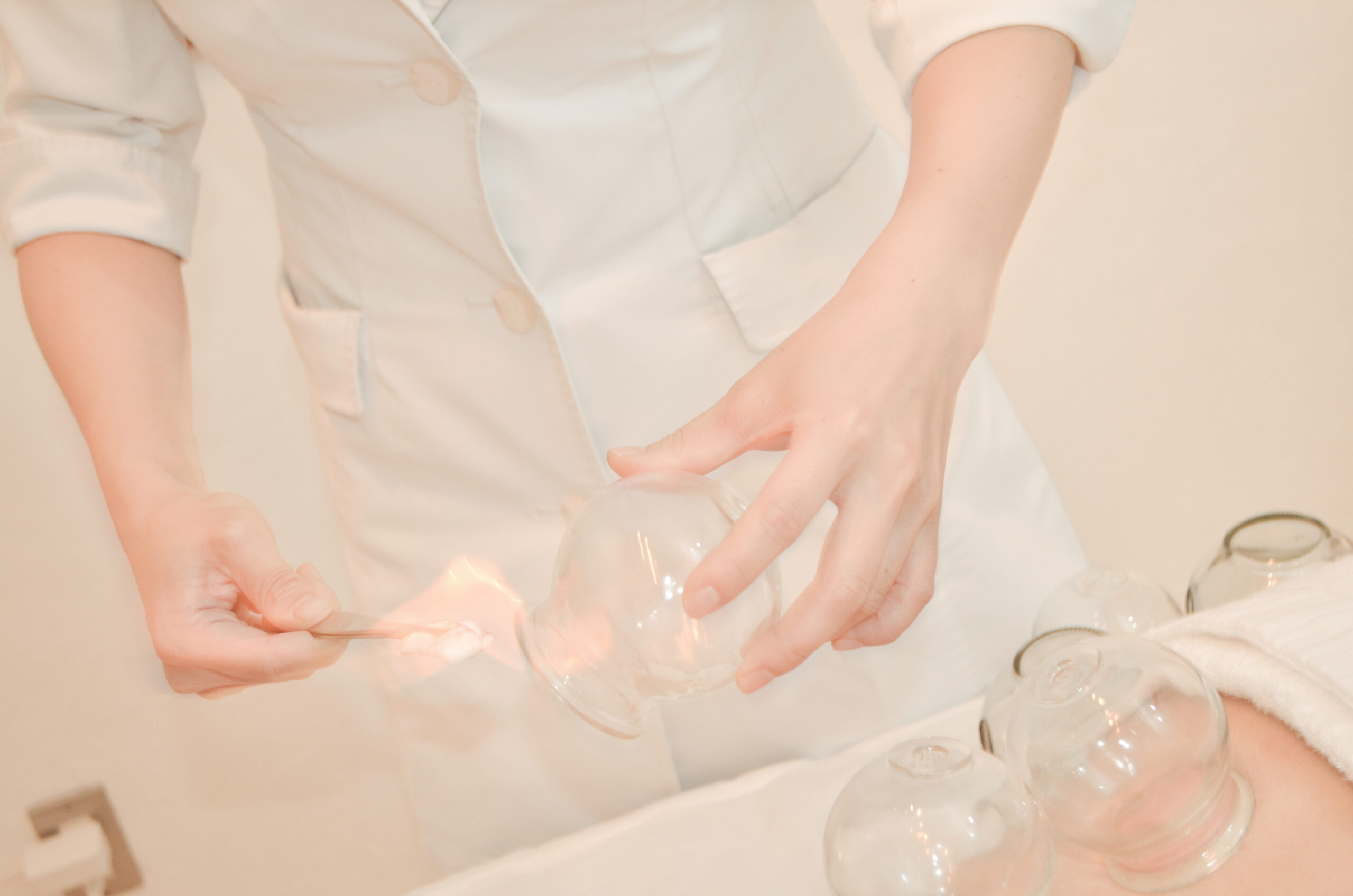
- Treatment: A combination of full-body and scalp acupuncture to balance circulation and the autonomic nervous system
- Aftercare: We check in on how you’re feeling after treatment and offer self-care advice for daily life
A single session won’t necessarily resolve everything, but consistent care over time helps the body recover its own natural ability to regulate temperature. Many clients find a rhythm of once every one to two weeks helpful at first, adjusting the interval as their condition changes.
What makes Yurumari’s approach to cold sensitivity different
How it differs from chiropractic care or massage
Chiropractic care mainly addresses posture and skeletal alignment, and massage focuses on loosening muscle tightness. Acupuncture is distinct in that it can also reach the autonomic nervous system and circulation. For cold sensitivity, where posture and muscle tension aren’t the only factors, we believe acupuncture is particularly well suited.
A combination of full-body, cosmetic, and scalp acupuncture
At Yurumari, full-body acupuncture addresses circulation throughout the neck, shoulders, back, and limbs; scalp acupuncture eases head tension linked to cold-related flushing; and cosmetic acupuncture supports circulation and color around the face. Rather than only warming the cold areas, we treat breathing, temperature regulation, and circulation as one connected flow.
What clients say
I had this strange connection to the clinic and came in again feeling exhausted, both physically and mentally. My body felt stiff and sore when I arrived, but after treatment it was softer than I expected. Even my cold feet felt warm again on the way home.
— From an actual Google review (translated, name abbreviated)
In short: for autumn cold sensitivity, visit Yurumari near Fushimi Station
Cold sensitivity isn’t always solved by warmth alone. What matters most is helping your body recover its own ability to regulate temperature.
If you’re in Nagoya Fushimi and dealing with autumn cold sensitivity, Yurumari Acupuncture Clinic is here to help. Check current availability on our booking page.
You may also find our related article, Self-care for autumn cold sensitivity at home, useful.